
 Author
Learning a language is a journey, and as parents, it's natural to want to keep track of your child’s progress. English, a globally dominant language, is often considered a vital skill for your child’s academic and career success. But how do you know if your child is making meaningful strides in their English language learning journey? Here's a practical guide to help you assess your child’s progress.
The Importance of Monitoring Progress
Why It Matters
Knowing where your child stands in their language learning can offer several benefits:
- Tailored Support: Allows you to tailor resources and activities to their current level.
- Motivation: Seeing progress can boost your child’s motivation.
- Early Intervention: Identifying bottlenecks early can lead to timely interventions.
Age-Appropriate Milestones
Understanding developmental milestones in language learning can give you a baseline for what to expect.
Toddlers (2-3 years)
- Understands simple instructions
- Can name objects and people
- Can form two-word sentences
Preschoolers (4–5 years)
- Understands prepositions (over, under, behind)
- Can form simple sentences
- Can follow a series of instructions
School-age (6-12 years)
- Reads beginner-level books
- Writes simple paragraphs
- Understands complex sentences
- Checklists: A Quick Snapshot
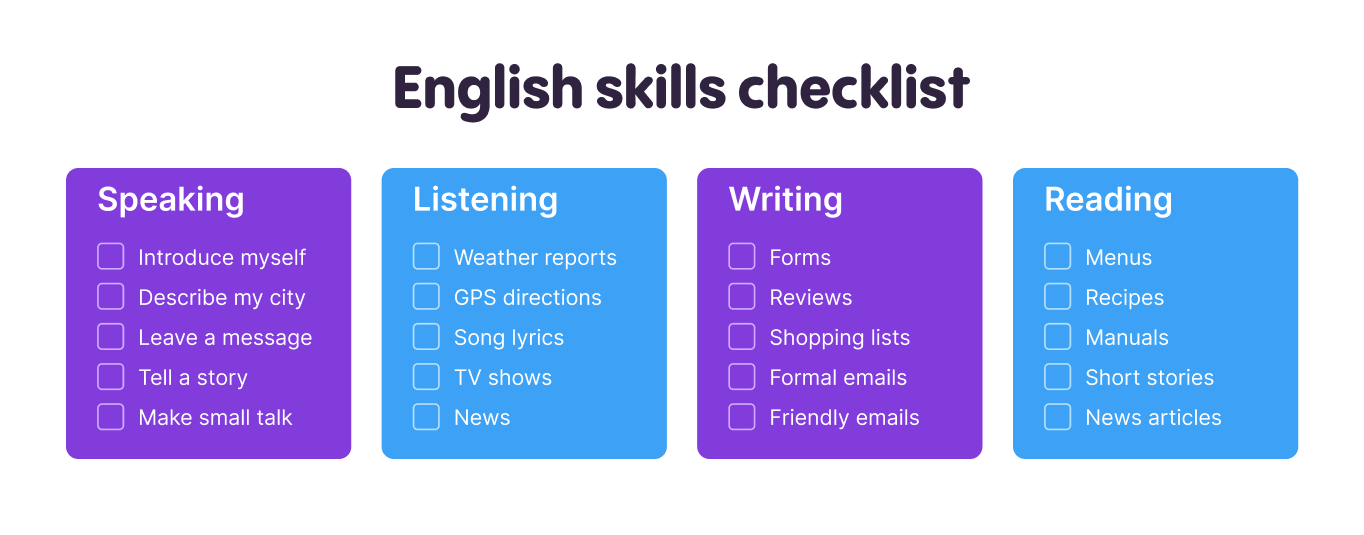
How to Use a Checklist
- Select Age Group: Choose a checklist that matches your child's age.
- Frequency: Monthly or quarterly assessments are generally adequate.
- Scoring: Mark off the skills your child has mastered.
Formal Tests: A Necessary Evil?
Sure thing! When it comes to those formal tests, there are some pluses and minuses to think about. On the upside, these tests are fair and follow the same rules for everyone, which means they measure skills using the same criteria. That can make it easier to see how your kid is doing compared to their peers or the school's standards.
However, there are downsides as well. Tests can be stressful for children, sometimes affecting performance and not reflecting their ability. Additionally, these tests might only capture some nuances of your child's English skills, like their ability to understand context or hold a natural conversation.
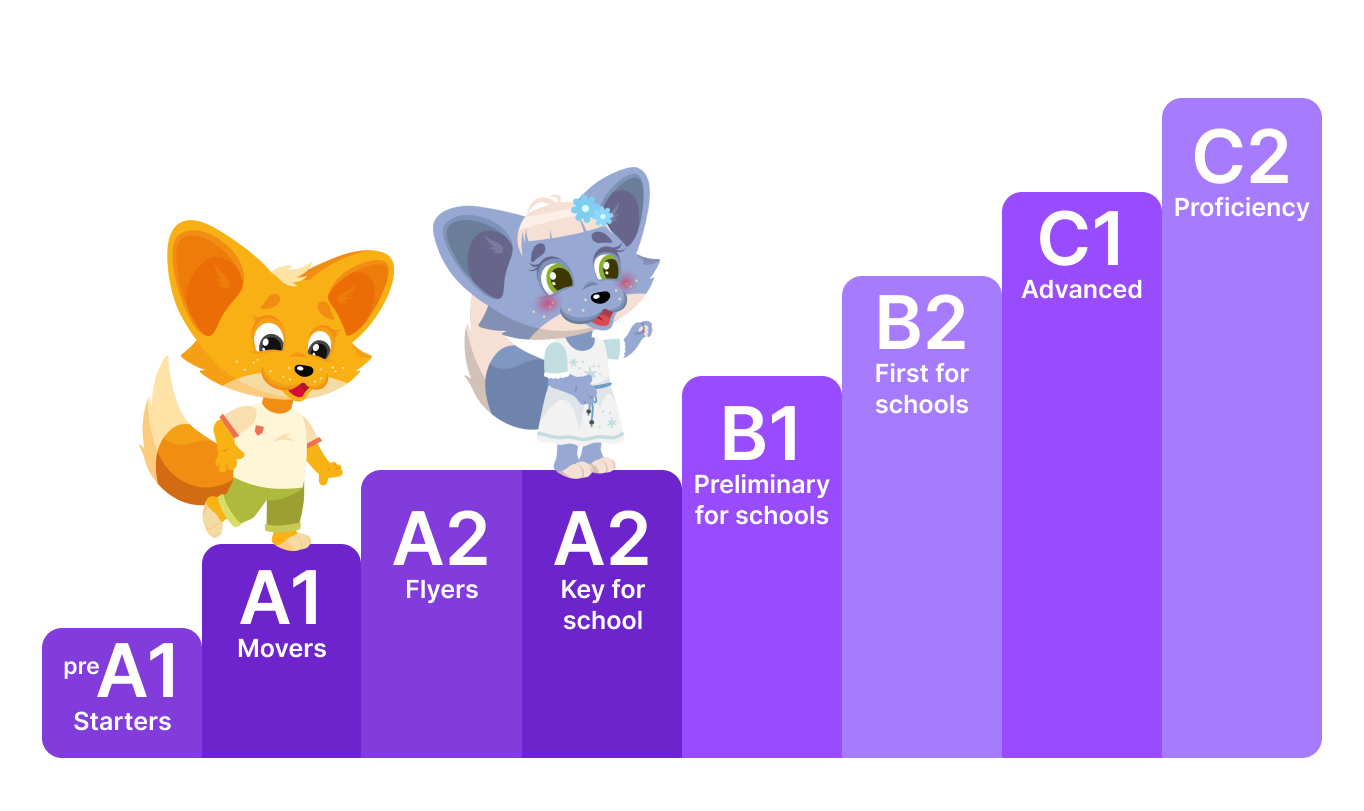
Popular Tests for Kids
Cambridge Young Learners Exams
TOEFL Junior
IELTS for children
Casual Observations: More Than Meets the Eye
While formal assessments have their place, casual observations offer a less stressful and more natural way to assess your child's English skills. Sometimes, the most telling indicators are the everyday interactions your child has.
What to Look For
- Vocabulary: Expanding Their Lexicon
Monitor how your child uses words in different contexts. An expanding vocabulary is a positive sign. You can have a “Word of the Day” practice to encourage learning new words, then listen for those words in your child's speech.
- Syntax: Complexity Matters
Syntax is all about how sentences are put together. So, watch out to see if your kid is moving from simple sentences like “I want an apple” to fancier ones like “I want an apple because I'm hungry.” When they start using words like 'cause,' 'though,' or 'since,' you'll know their sentence game is getting stronger.
- Comprehension: Context is King
You can assess comprehension through more than just direct questions. Observe how your child responds to instructions or narrations. Can they follow a story and retell it in their own words? It shows they understand the words, context, and sequence.
Steps to Evaluate Conversational Skills

Initiate Conversation: Engaging Topics Are Key
Kickstart a conversation on a subject that your child is passionate about. Whether it's superheroes or their favourite game, you're more likely to see their best language skills when they're engaged.
Listen Actively: The Devil is in the Details
When you listen to your child, focus on the specifics like vocabulary, pronunciation, and fluency. Make mental or physical notes to compare over time.
Ask Questions: Encourage Expressive Language
Posing open-ended questions like, “Why do you think that happened?” or “How did that make you feel?” will encourage your child to express themselves more elaborately, offering you more data points for your assessment.
External Feedback
External input can provide valuable insights.
Sources for Feedback
- Teachers: Regularly communicate with your child’s English teacher.
- Tutors: If your child has a tutor, consult them for progress reports.
- Peers: Older siblings or friends can often provide casual but insightful feedback.
- Tools and Apps
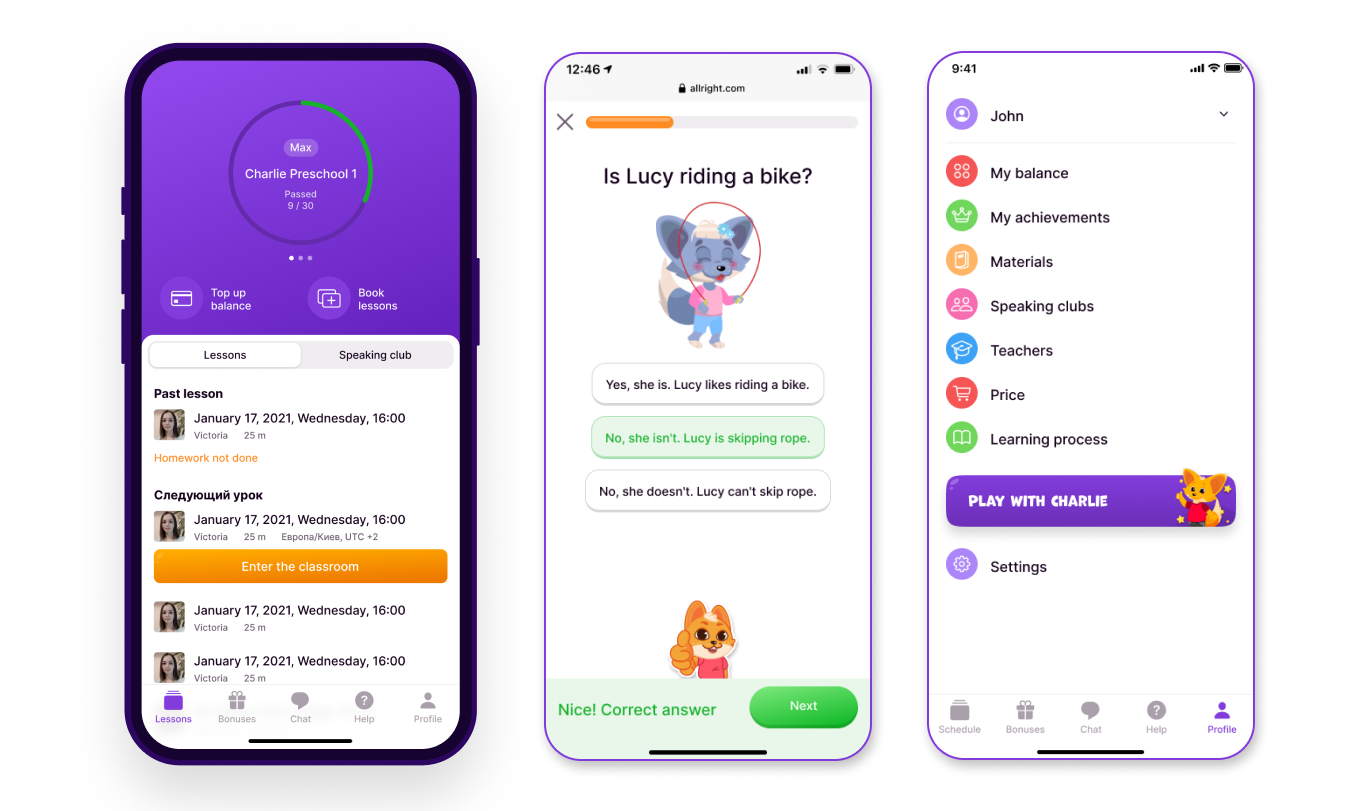
Useful Tools for Monitoring
- All Right English: Offers progress tracking features.
- Babbel: Provides detailed statistics on vocabulary and syntax.
- Readability Apps: Gauge your child’s reading level.
Remember, language learning is a marathon, not a sprint. Celebrate the small victories and encourage your child every step of the way.
Adopting some or all of these practical approaches, you'll be better equipped to support your child's learning journey and celebrate their achievements in mastering English.